
Ledger.com/start™ – Official Ledger® Wallet Start
Visit Ledger.com/start® to learn how to set up your Ledger™ hardware wallet. Follow official guidance and discover important security practices.
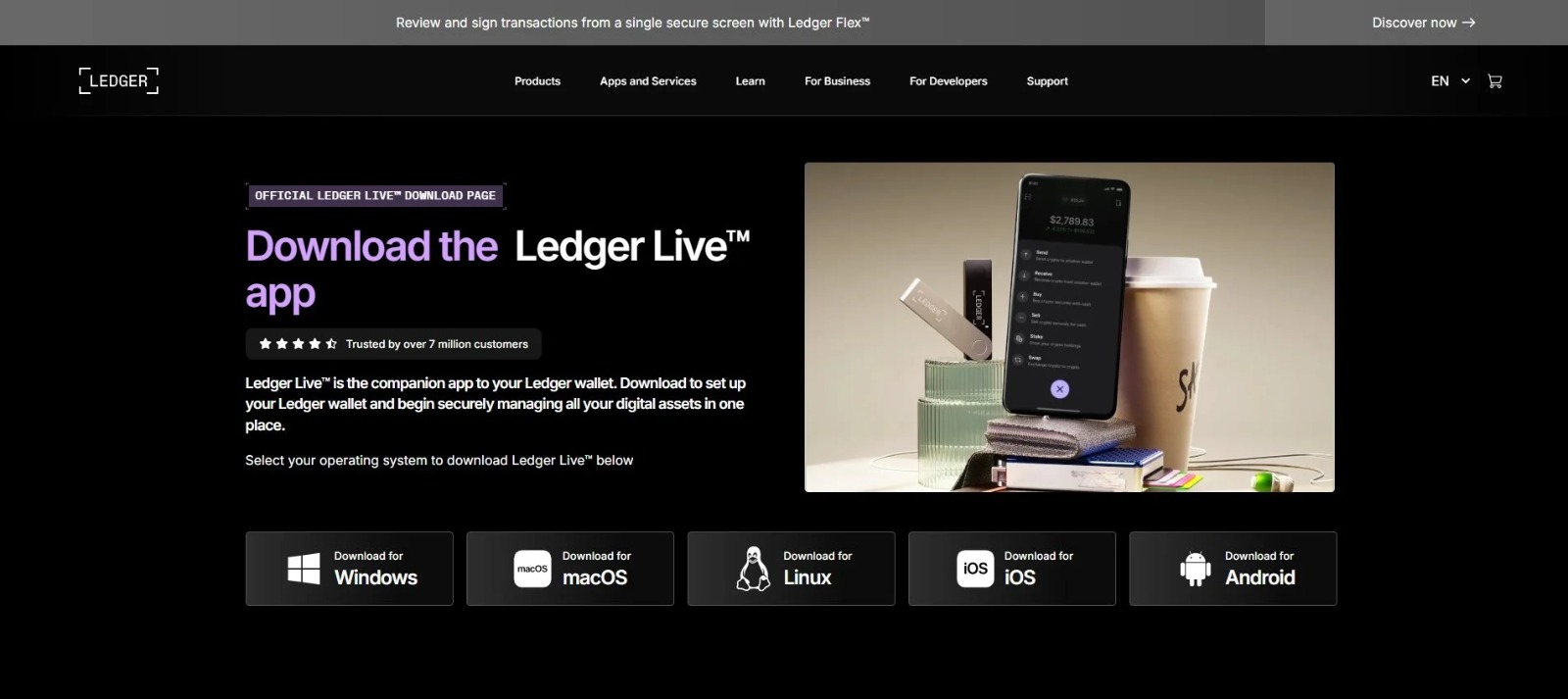
Ledger.com/start: A Simple Guide to Getting Started with Ledger
Getting started with a Ledger hardware wallet is an important step for anyone who wants greater control over their digital assets. The official Ledger.com/start page is designed to help users begin the setup process and access the official Ledger Wallet software. Whether you are completely new to crypto or already familiar with self-custody, following the correct setup process can help you avoid common mistakes.
What Is Ledger.com/start?
Ledger.com/start is the official starting point for setting up a Ledger device. Users can visit the page to find the appropriate Ledger Wallet application and follow the recommended instructions for connecting and configuring their hardware wallet.
Using the official setup page is especially important because cryptocurrency users frequently encounter fake websites, phishing pages, and fraudulent support accounts. Always check that you are using an official Ledger source before downloading software or entering sensitive information.
How to Set Up a Ledger Device
The Ledger setup process is designed to guide users through the essential security steps. After accessing Ledger.com/start, download the official Ledger Wallet software that matches your device and operating system.
Once the application is installed, connect your Ledger device and follow the instructions displayed on the screen. Depending on your device, the setup may include checking the device's authenticity, creating a PIN, and generating a Secret Recovery Phrase.
Take your time during every security step. A hardware wallet protects your assets only when its security features are used correctly.
Protect Your Secret Recovery Phrase
One of the most important parts of setting up a Ledger wallet is protecting your Secret Recovery Phrase. This phrase acts as the backup for your wallet and should be treated as extremely sensitive information.
Write the words down carefully and keep them in a secure location that only you can access. Never share your recovery phrase with anyone, including someone claiming to be Ledger support.
You should also avoid storing the phrase in screenshots, cloud storage, email, messaging apps, or ordinary digital notes. If another person obtains your recovery phrase, they may be able to access the assets associated with the wallet.
Create a Secure PIN
During setup, you will create a PIN for your Ledger device. The PIN provides an additional layer of protection against unauthorized physical access.
Choose a PIN that is difficult for others to guess and never disclose it to another person. Keep in mind that your PIN and Secret Recovery Phrase serve different purposes, so both should be protected independently.
Never enter your recovery phrase into a website or computer unless you are following a legitimate recovery process on the official device interface.
Install Cryptocurrency Apps
After configuring your Ledger device, you can install the applications needed for supported cryptocurrencies. The exact applications available depend on the Ledger device and the cryptocurrency network you want to use.
For example, users may manage assets such as Bitcoin or Ethereum through the appropriate applications and accounts. Follow the instructions provided by the official Ledger Wallet software when adding accounts or installing applications.
Keeping your software and device firmware updated can also help you benefit from the latest features and security improvements.
Sending and Receiving Crypto
Once your account is ready, Ledger can be used to receive and send supported digital assets. When receiving cryptocurrency, carefully verify the receiving address before providing it to another person or exchange.
When sending funds, always review the transaction details on the Ledger device itself. Do not rely exclusively on the information displayed on a computer or smartphone.
For a large transfer, sending a small test amount first can be a sensible precaution. After confirming that the transaction reaches the intended destination, you can proceed with the remaining transfer.
Why Choose a Ledger Hardware Wallet?
A hardware wallet provides a dedicated environment for protecting private keys. Instead of relying entirely on an internet-connected computer or smartphone, Ledger devices are designed to keep sensitive signing operations within the hardware.
This approach can provide an additional layer of protection for people who want to manage their cryptocurrency through self-custody. However, hardware wallets do not eliminate every security risk. Your recovery phrase, PIN, device security, and transaction verification habits remain essential.
Important Ledger Security Tips
Before and after completing your setup, remember these basic security practices:
Use Ledger's official website and software.
Keep your Secret Recovery Phrase completely private.
Never share your PIN or recovery information.
Verify wallet addresses directly on your Ledger device.
Avoid suspicious links, advertisements, and unofficial support accounts.
Consider a small test transaction before moving significant funds.
Keep official Ledger software and device firmware updated.
Final Thoughts
Ledger.com/start provides a straightforward starting point for setting up a Ledger hardware wallet. By following the official instructions carefully, users can configure their device, establish the necessary security protections, install supported cryptocurrency applications, and begin managing digital assets.
The most important part of using a hardware wallet is maintaining good security habits. Protect your recovery phrase, keep your PIN private, verify transactions carefully, and use official Ledger resources whenever possible. A careful setup today can help create a safer and more confident self-custody experience for the future.
Updated about 2 hours ago